 Photoshop
 ZBrush
 Houdini
 Unreal Engine
 Substance Painter
 Blender
 Nuke
Nuke Arnold
 KeyShot
 V-Ray
V-Ray Mari
Mari Marvelous Designer
 Marmoset Toolbag
 Substance Designer
 3ds Max
 3DCoat
 Redshift
 After Effects
 Faceform Wrap
 Lightroom
 OctaneRender
 SpeedTree
 Daz 3D
 Agisoft Metashape
 Fusion
 Modo
Modo RealityCapture
 Gaea
Gaea Cinema 4D
 Gravity Sketch
 Premiere
 Procreate
 Substance 3D Modeler
 Katana
 Mudbox
 Krita
Krita World Creator
 Yeti
Yeti Ziva VFX
 SketchBook
 Quixel DDO
 Mixamo
 Natron
 Quixel Bridge
 Quixel Megascans
 Adobe Medium
 Quixel Mixer
 SynthEyes
 Clip Studio Paint
 SketchUp
 Unity
Unity Gaffer
 Massive
 Materialize
 Ornatrix
 PreForm
 Corel Painter
 Moi 3D
 QuickTime
 Storyboard Pro
 TreeIt
 animBot
 ReCap
ReCap Meshmixer
 DaVinci Resolve
 World Machine
 xNormal




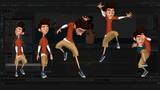


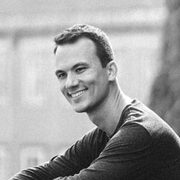


In this intermediate-level workshop, following on from Introduction to Maya for Animators, Erik Castillo explores the core principles that bring animated characters to life. Using Maya, Erik focuses on understanding and applying fundamental animation concepts like squash and stretch, anticipation, timing, balance, and follow-through to create realistic and expressive movements.
Designed for those familiar with Maya, this workshop aims to help animators elevate their understanding of how body mechanics affect a character’s movement and overall performance. Through practical, hands-on exercises, artists will explore the process of creating believable actions such as lifting objects, standing, walking cycles, and more.
The workshop includes an analysis of famous animation sequences to see how professionals tackle complex body mechanics. By the end, students will clearly grasp how to make characters move naturally and with intent, using the principles discussed to refine and polish their animation sequences.
Whether you’re looking to solidify your fundamentals or gain new insight into body mechanics, this workshop offers the essential building blocks to improve your animation skills and deepen your understanding of character movement in CG.
The demonstrations in the workshop utilize ProRigs.
6 Lessons
Erik A. Castillo explains that the core lessons of this workshop are that patience and thorough practice at each skill level are essential for developing as an animator. Rather than rushing to create impressive portfolio pieces, artists should focus on a deep understanding of basic body mechanics through repeated practice and variation. Erik reveals that mastering fundamentals and understanding the principles behind character movement will give artists the confidence to successfully execute complex, advanced animation.
Duration: 5m 31s

In this lesson, Erik demonstrates that body mechanics animation requires an understanding of fundamental physics principles and systematic practice. Success comes from breaking down complex movements into prioritized steps, maintaining proper weight distribution and balance throughout all actions, and ensuring every part of the body responds naturally to forces and momentum. While these basic exercises may not make artists' reels, regular practice is essential for developing body mechanics skills that improve over time and form the foundation for advanced character animation.
Duration: 40m 21s

This lesson emphasizes that successful body mechanics animation relies on disciplined, methodical problem-solving rather than trying to fix everything at once. By breaking down complex movements into key poses, working from the body's root outward, and making incremental refinements to physics and timing, artists can create believable and appealing character movement. Erik stresses that learning to identify key poses and prioritize body parts to animate are essential skills that require continuous practice to master.
Duration: 31m 57s

In this lesson, artists learn how to create a successful walk cycle animation. By starting with simplified character rigs and systematically addressing common problems like foot sliding, knee pops, and inconsistent movement speeds, artists build a strong mechanical foundation. Mastering these fundamental walk cycle principles with basic rigs prepares artists to tackle more complex full-body character animation with confidence and precision.
Duration: 27m 33s

Erik emphasizes that complex animation depends on a solid understanding of the fundamentals of body mechanics. This analytical approach is mainly a learning tool; with practice, these principles become intuitive, allowing artists to work efficiently without consciously breaking down every action. Erik shows how to analyze professional work to build understanding, and reinforces that mastery comes from repeatedly practicing the basics until advanced techniques become second nature.
Duration: 32m 30s

Erik A. Castillo recaps the final episode and emphasizes patience and thoroughness in animation training. Rather than rushing to advanced techniques, Erike explains that investing time in mastering fundamental body mechanics through practice and variations of basic exercises helps build a reliable foundation that supports more complex animation work in the future.
Duration: 2m 15s

Primary tools
For this workshop you’ll need:

* Note that these programs and materials will not be supplied with the course.
Skills Covered
Who’s this Workshop for?
Erik A. Castillo's workshop is designed for intermediate Maya users who have completed basic animation training and are ready to take their character animation skills to the next level. It’s ideal for aspiring animators, junior studio artists, and students eager to master fundamental animation principles and body mechanics in a professional CG environment.
Experienced animators looking to refine their techniques and freelancers aiming to strengthen their foundational knowledge will also gain significant value. The workshop equips artists with essential skills for creating believable, compelling character performances, making it an invaluable experience for anyone working in film, television, games, or other animation industries.
Learning Outcomes
After completing this workshop, artists will have developed a comprehensive understanding of core animation principles and body mechanics essential for creating compelling character performances within Maya.
Key skills include:
- How to apply squash and stretch principles to create dynamic and expressive character movements.
- How to apply proper anticipation and follow-through techniques for realistic animated actions.
- How to analyze and incorporate timing principles that enhance character performance and believability.
- How to create convincing walking cycles using proper body mechanics and weight distribution.
- How to animate characters lifting objects with accurate physics and natural body positioning.
- How to balance characters effectively during complex movements and transitional poses.
- How to study professional animation sequences to identify advanced body mechanics techniques.