
 Photoshop
 Maya
Maya ZBrush
 Houdini
 Unreal Engine
 Substance Painter
 Blender
 Arnold
 KeyShot
 V-Ray
V-Ray Substance Designer
 Mari
Mari Marvelous Designer
 Marmoset Toolbag
 3ds Max
 3DCoat
 Redshift
 After Effects
 Faceform Wrap
 Lightroom
 OctaneRender
 SpeedTree
 Daz 3D
 Agisoft Metashape
 Fusion
 Modo
Modo RealityCapture
 Gaea
Gaea Cinema 4D
 Gravity Sketch
 Premiere
 Procreate
 Substance 3D Modeler
 Katana
 Mudbox
 Krita
Krita World Creator
 Yeti
Yeti Ziva VFX
 SketchBook
 Quixel DDO
 Mixamo
 Natron
 Quixel Bridge
 Quixel Megascans
 Adobe Medium
 Quixel Mixer
 SynthEyes
 Clip Studio Paint
 SketchUp
 Unity
Unity Gaffer
 Massive
 Materialize
 Ornatrix
 PreForm
 Corel Painter
 Moi 3D
 QuickTime
 Storyboard Pro
 TreeIt
 animBot
 ReCap
ReCap Meshmixer
 DaVinci Resolve
 World Machine
 xNormal


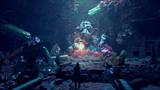


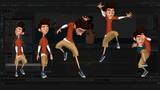


This introductory Nuke workshop teaches the basics and fundamentals of compositing. Senior VFX Compositor Tommaso Lunardi offers a beginner-friendly approach to compositing in Nuke for artists in a studio environment or students assigned their first compositing task using this powerful tool. Tommaso aims to help junior artists build their skills as highly organized compositors in a demanding industry with high expectations.
In this 2-hour workshop, Tommaso demonstrates each technique and process using concepts applicable to a real production environment, backed by years of experience and examples from a decade in the film industry. He covers Nuke's best settings and preferences to make a compositor’s life easier; how to analyze elements and the plate provided; how to prepare a script and materials; keying and understanding alphas; edge refinement; color restoration; and integration techniques.
He also teaches how to build backgrounds and fully understand how elements in a comp should be used and structured, both technically and creatively speaking. He then dives into cleanups, tracking, and roto painting; demonstrates integrating additional VFX elements and overall refinements; shows how to restore the plate's grain; and explains how to set up the script for final touches and render materials for review.
In each lesson of this workshop, artists will not only understand how to use each technique and know when to use it, but will also learn why some approaches are more useful or quicker than others.
A real production environment values a perfect combination of quality, speed, and consistency, and with this workshop, artists will learn how to quickly set up a script without getting lost in the high amount of information.
The materials featured in this workshop are easily and freely available on websites including ActionVFX, Vecteezy, FootageCrate, and Nukepedia. Tommaso’s Nuke script is also provided as a downloadable project file with this workshop.
6 Lessons
Tommaso Lunardi introduces his workshop by showing which Nuke settings work best to make a compositor’s life easier and more efficient. Nuke's default settings are already good to start working, but Tommaso’s tips will teach artists how a couple of changes can improve the script; for example, increasing the cache size of plates and renders for faster work.
Duration: 10m 35s

In this second lesson, Tommaso teaches artists how to properly read and analyze each element and set them up correctly to avoid problems in the long run. Many issues and difficulties that pop up during the editing and coloring phase of post-production can be eased or entirely removed if artists follow a specific procedure and checklist from the beginning.
Duration: 14m 27s

Mattes and alphas are core elements that give a shot depth and proper layering in space. Mattes are fundamental to compositing because they dictate which layer goes where. In this lesson, Tommaso showcases how to properly separate each element and use its alpha to your advantage.
Duration: 26m 47s

Working with keying techniques creates problems, most often edges losing quality or not applying the correct color properly. In this lesson, artists will learn tips and tricks for working on fine details in mattes to seamlessly blend images and elevate the composition further.
Duration: 24m

Using the right elements to tell a story is a mix of technical knowledge and creative thought processes. In this lesson, Tommaso addresses and solves problems that help artists meet their clients' requests by building up the background plate and removing unwanted details in the foreground plate.
Duration: 27m

In this final lesson, Tommaso reveals how to add additional VFX stock footage and elements to the shot to add the final touches and strengthen the storytelling. In this lesson, artists will also learn how to finish the script and prepare it for submission and review, covering both creative and technical aspects.
Duration: 19m 36s

Primary tools
For this workshop you’ll need:

* Note that these programs and materials will not be supplied with the course.
Project Files
When you download the project files accompanying this workshop, you'll get access to Tommaso’s Nuke script and other helpful resources for following along with the lessons. Inside, you’ll find:
- Footage.zip — includes all the plates and stock footage used in the workshop.
- Denoise.zip — contains an EXR image sequence of a ready-made denoised plate of the main footage.
- Comp.mov file — a video of the final render for reference.Tutorial comp .zip — includes an EXR image sequence of the final composited shot.
- Script file.nk — Tommaso’s Nuke script file.
Skills Covered
Who’s this Workshop for?
This workshop is suitable for junior compositors who have recently started a compositing career and are looking for professional insights into their workflow process. It’s also ideal for aspiring student compositors who are looking to take a step forward with expert advice from a seasoned professional.
Tommaso recommends this workshop for artists who are confused about the right approach to follow to work in a real production studio, as well as for professionals who want to upgrade their daily working habits with an established process.
Learning Outcomes
By completing this workshop, artists will have a solid understanding of the basics and fundamentals of compositing using the industry-standard software, Nuke.
Key skills include:
- How to set up useful Nuke settings and preferences for better efficiency when compositing.
- How to read and analyze files and materials to understand the information needed for the compositing assignment.
- How to prepare materials for compositing, ensuring every file is set up properly.
- How to use keying techniques and alpha manipulations to understand how the mattes affect the overall comp.
- How to handle edge restoration work and color integration to reintroduce the fine details that may be lost during the compositing process.
- How to tackle background building and cleanup techniques to understand how to add and remove elements at will.
- How to build VFX integration and technical elements to give final touches and prepare the final shot for review.


